Being a successful personal chef doesn’t just involve being a great cook. It requires a special mix of skills that allows chefs to handle the intricacies of running a kitchen while also serving different client needs. Below are the top five skills every personal chef needs to have to succeed in this fulfilling career.
1. Culinary Expertise
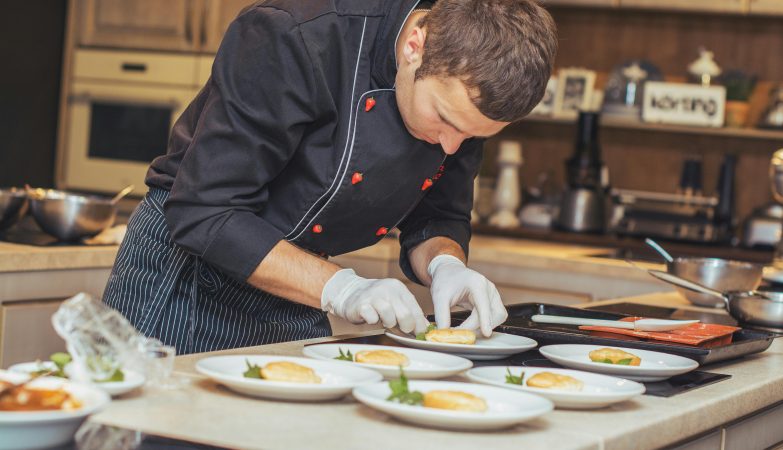
Culinary expertise is at the heart of what a personal chef does. It includes a thorough knowledge of different cooking methods, flavor combinations, and food preparations from around the world. A personal chef who can cook everything from high-end meals to simple comfort food will find more success in the market. Continual learning is a must; learn the newest methods of preparing food, the latest dietary restrictions, and new food trends, and you’ll already be ahead of the competition. Knife skills, cooking methods, and presentation techniques are mastered so that not only do they taste good, but they also look good.
2. Menu Planning and Nutrition Knowledge
The job of a personal chef requires you to be great at menu planning and to serve meals that meet each client’s personal preferences and dietary needs. It’s about creating balanced menus that meet nutritional needs, address allergies, and accommodate specific diets like vegan, gluten-free, or low-carb. It is important to understand nutrition to promote healthy eating habits with clients. Well-rounded personal chefs can create meal plans that are both satisfying and healthy, helping clients reach their health goals while enjoying their meals.
3. Time Management and Organization

Personal chefs, who often have to handle several tasks at once, need strong time management skills. Whether you’re grocery shopping, meal prepping, or cooking, organization can make or break a day in the kitchen. Personal chefs need to prioritize tasks to ensure all meals are completed on time while still meeting the quality standard. Scheduling out meal preparation and required shopping in advance can get things running smoothly. Additionally, a well-organized kitchen can reduce stress and increase efficiency when you’re busy cooking.
4. Communication Skills
Good communication skills are necessary for establishing relationships with clients and understanding what they truly need. In addition, a personal chef would need to actively listen to a client’s preferences and feedback and articulate ideas for menus or meal options effectively. Here, we also discuss dietary restrictions, preferences, and any specific requests clients have. Good communication builds trust and rapport, which are necessary for long-term client relationships. What’s more, clients will be pleased when you can help explain various cooking techniques or ingredients to them.
5. Adaptability and Problem-Solving
Personal chefs need to adapt quickly and easily to changing circumstances. It makes chefs more flexible in delivering quality service in the event of last-minute changes in client preferences or ingredient shortages. When equipment malfunctions or dietary emergencies occur, one turns to problem-solving skills. A successful personal chef who can think creatively and find solutions to clients’ needs can work under pressure.
Conclusion
To conclude, being a personal chef requires a mix of cooking knowledge, the ability to create menus, strong time management, effective communication, and versatility. Mastering these essential skills will enable personal chefs to deliver wonderful dining experiences and make their profession more manageable. Over time, they hone these skills, not only improving their cooking but also establishing long-term working relationships with clients, which contribute to greater success in the business.