Getting your meal prep system in shape starts with the right containers. The ones you choose matter a lot. They can be the line between fresh and tasty meals and a sad and soggy lunch. So start with storage first. And then the rest of the meal prep feels easier. Below you’ll find the best container types for fridge and freezer use. We have also compiled simple labeling tips to keep your plan on track.
The Big Difference: Fridge vs. Freezer Storage
Fridge containers and freezer containers serve different purposes. The fridge storage needs to keep food fresh for a few days. Freezer storage must protect food from freezer burn and temperature changes for weeks or even months.
Not all containers work well for both jobs. Some excellent fridge containers crack in the freezer. Whereas others allow too much air into long-term frozen storage. It is better to identify which is which, which saves you money and keeps your food tasting better.
Best Containers for Fridge Meal Prep
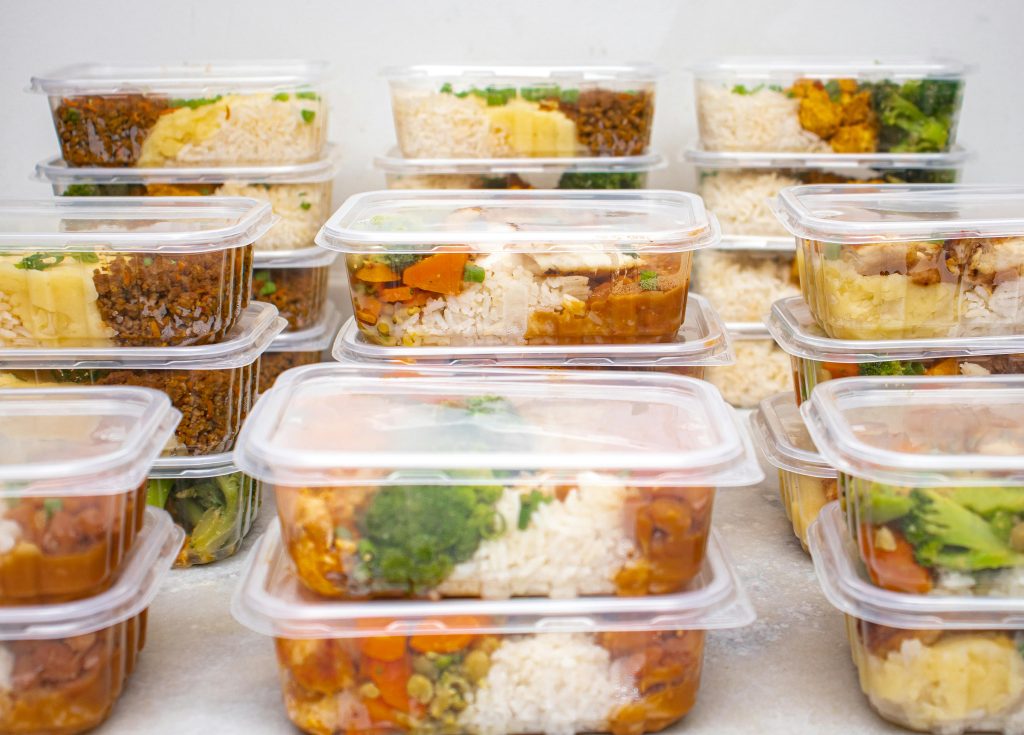
For food you’ll eat within the week, and these containers work great:
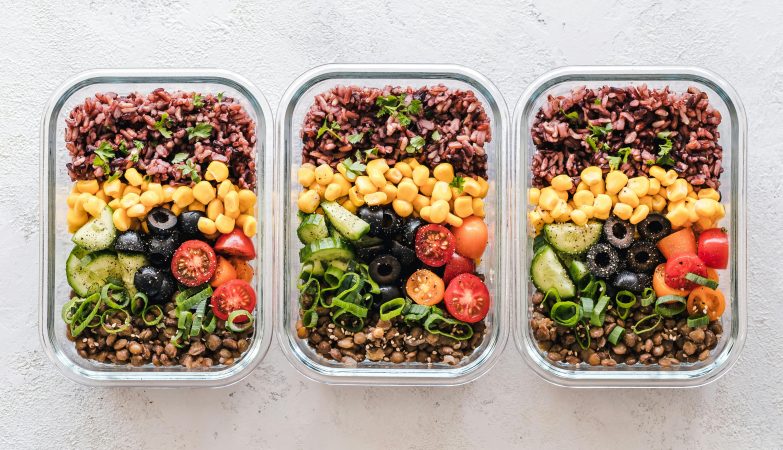
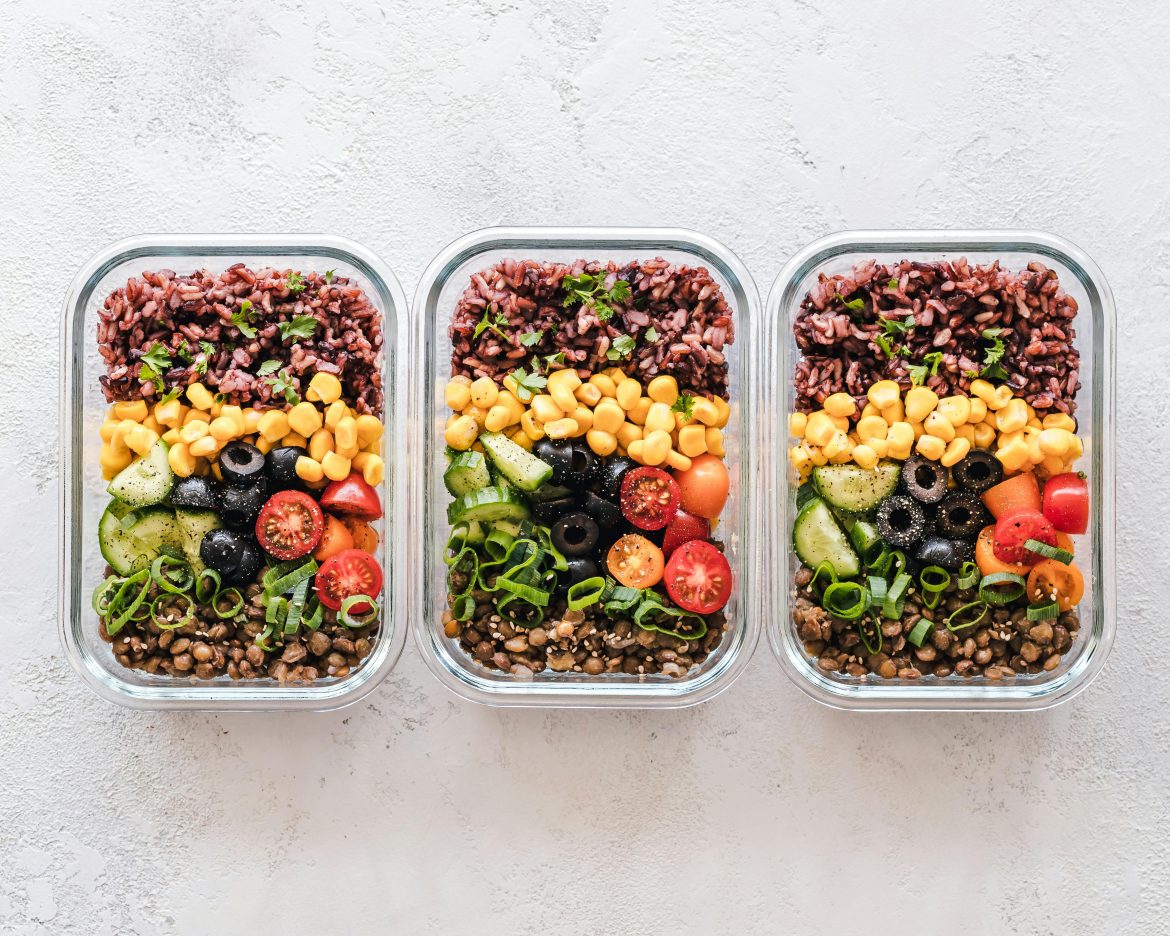
Glass Containers
Glass containers are top choices for fridge storage. They don’t absorb smells or stains. You can see what’s inside without opening them. IKEA’s 365+ line offers affordable options with snap-on lids that seal tightly.
Glass containers also heat up nicely in the microwave without any plastic touching your food. The main disadvantage is that they’re heavy and can break if dropped.
Divided Containers
Divided containers can also help keep different foods separate. This prevents soggy salads and keeps proteins separate from sides.
These containers normally cost more than single-compartment ones. But they can save you from needing multiple containers for one meal.
Best Containers for Freezer Meal Prep
Freezer storage also needs special attention. Air is the enemy of frozen food. And so these options keep freezer burn away:
Silicone Trays
Silicone trays like Souper Cubes let you portion foods perfectly before freezing. They pop out frozen blocks that you can transfer to bags for long-term storage. This system saves space and lets you grab exactly what you need.
These trays also go directly from the freezer to the oven for certain foods. You don’t need to thaw first.
Mason Jars
Mason jars are great for freezing soups, sauces, and smoothie parts. You just need to leave space at the top. About an inch is a safe gap. This gives the food room as the freezer expands. Wide-mouth jars often do better than narrow ones. They are less likely to crack when the food shifts.
Pro tip: Freeze liquids without the lid at first. Add the lid after the food freezes solid.
Vacuum-Sealed Bags
Vacuum-sealed bags are hard to beat if you plan to store food for over four months. They remove air that causes freezer burn and also take up minimal space.
Smart Labeling Systems
Even the best containers need good labels. Here’s how to create a system that actually works:
Use Erasable Markers
Chalk markers or dry-erase markers work on glass and plastic containers. They wash off easily when you’re done. No more mystery containers lurking in the back of your fridge!
Label Everything Important
Good labels include:
- What’s inside
- When you made it
- When to eat it by
This info helps you use things before they go bad and plan meals more easily.
Color-Code Your System
You can also use colors to sort your meals by type. For example, you can mark blue for breakfast, green can mean lunch, red can mean dinner, and so on. This keeps your system simple and clear. And it helps you grab the right container fast when time is tight.
Tape Works Wonders
Masking tape often beats marker labels in the freezer. Cold air can cause ink to fade, so the tape remains easier to read. It also comes off clean when you finish the container.